
Why Readable Code is Your Secret Weapon
From Chaos to Crystal Clear Codebase

Imagine you're working on a massive puzzle with a friend, but most pieces are upside down or missing chunks. Frustrating, right? That's what working with messy code can be like.

The good news is that writing clear code is like leaving those puzzle pieces nice and organised. It might take extra effort upfront but saves you time and headaches. Here's why:
Easier updates: Think of readable code as well-labelled boxes in your garage. You can find what you need fast and fix things without digging through a giant mess.
Teamwork superpower: Clear code makes working with others a breeze. Others can easily understand your code.
Bug squashing blitz: Have you ever spent hours hunting down a tiny bug? Readable code makes them easier to spot because you have arranged your files and components better and more efficiently.
Newbie welcome wagon: I've worked on projects with messy codes that no one liked, including the person who wrote them. Imagine joining a team like that and having to decipher cryptic messages. Oh God! Clear code makes it easier for new engineers to jump in and get productive quickly.
Moreover, as we advance in our careers, we spend more time reviewing and reading code than writing it. Demonstrating the value of clear, readable code to your company and fellow engineers showcases your professionalism and dedication to quality. You contribute to a more efficient, collaborative, and productive development environment by prioritising readability.
“Programs must be written for people to read, and only incidentally for machines to execute.” – Harold Abelson
So, how do we write this magic code? Here are some tips:
Meaningful Names: Instead of head-scratching names like "x" and "y," use names that tell you exactly what they do, like "totalCost" or "customerName." The same goes for functions and components - "calculateTotalCost()" is much more precise than "doStuff()".
Consistent Style: Imagine a kitchen where everything has its own place. Coding should be similar! Follow the same patterns for writing functions, organising code files, and structuring your classes. This consistency makes everything predictable and easier to navigate.
Spring Cleaning for Code: Just like your room, code can get messy over time. Refactoring involves re-organising your code to make it cleaner and more efficient without changing how it works.
Tech Toolbox: There are super-helpful tools to keep your code sparkling! Linters and formatters can automatically check your code for style consistency, and static analysis tools can identify potential problems. (I'll explain this even more in my next post)
Don't Forget the Instructions!: Good documentation is like a user manual for your code. Include comments within your code to explain complex parts and create separate documentation for larger modules or features. This helps everyone understand what the code does and how it works.
Keep a Changelog: Ever wonder why a particular piece of code works the way it does? Keeping a changelog acts like a historical record of your code, tracking all the changes, improvements, and bug fixes made along the way.
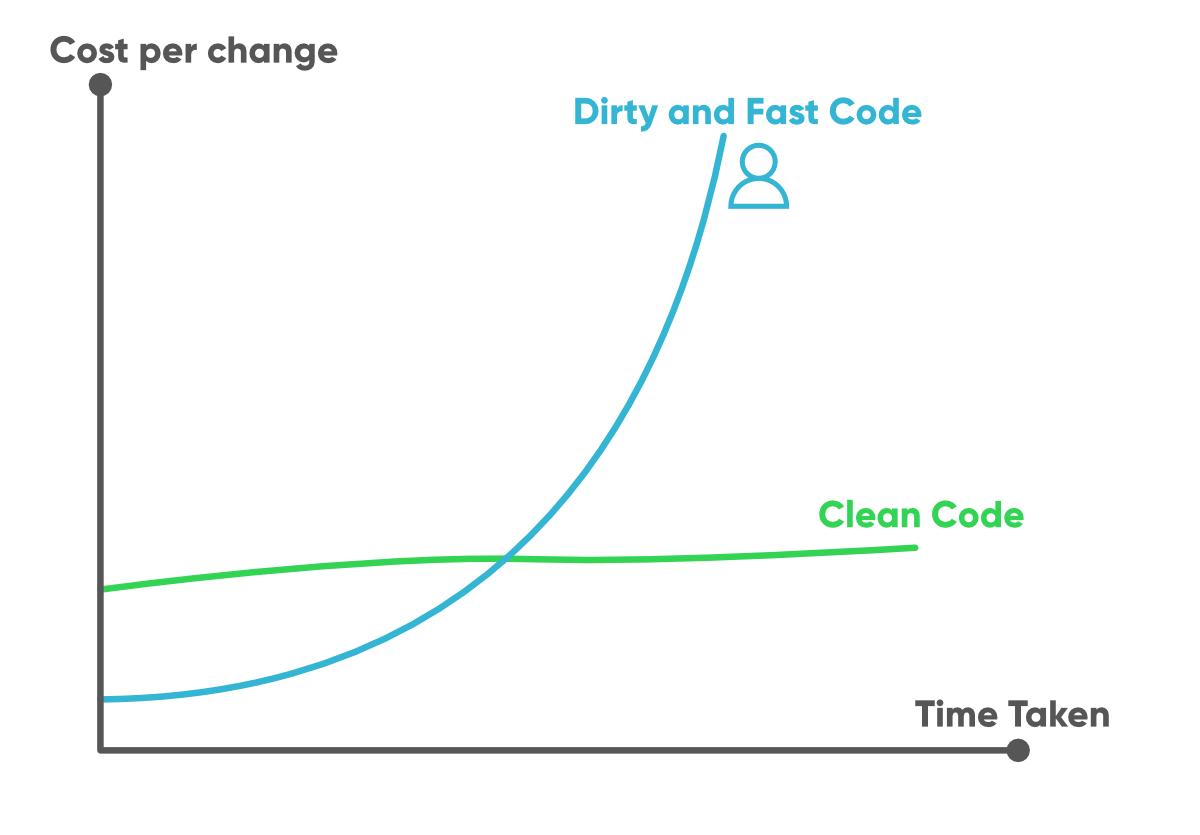
(Image Source: GeeksForGeeks)
By writing readable code, we're setting ourselves and our projects up for success. It's like building a house on a solid foundation – it'll be easier to maintain, work on together, and last a long time. So, let's prioritise readable code and keep those coding sessions smooth sailing!
If you liked this post, I'd appreciate it if you could share it with other like-minded people. Together, we can make code that wins!